AI Tools for Legal Project Management: Transforming Legal Operations in 2026

This article explores how AI tools for legal project management are transforming modern legal operations by streamlining workflows, improving collaboration, and enhancing decision-making. It highlights key capabilities such as intelligent intake, workflow automation, predictive analytics, and real-time dashboards, while also addressing implementation challenges and future trends. The blog helps legal teams understand how to leverage AI for improved efficiency, compliance, and strategic value delivery.
Introduction The Evolution of Legal Workflows

The legal industry stands at a pivotal moment as AI tools for legal project management transform the way legal teams handle increasingly complex workloads. From high-volume documentation to strict compliance requirements and intricate legal matter management, traditional methods like spreadsheets and email workflows are no longer sufficient. By adopting legal workflow automation and AI-powered workflow automation, law firms and in-house teams can streamline operations and improve efficiency. These innovations enable data-driven legal decisions, enhance visibility through real-time legal dashboards, and support overall legal operations optimization. Rather than replacing lawyers, AI in legal operations augments their capabilities, allowing them to focus on strategic, high-value work while reducing administrative burdens.
The Foundation Why Legal Teams Need AI-Powered Project Management

Legal work’s unique characteristics—such as high volumes of documentation, strict compliance requirements, and repeatable processes—make it an ideal candidate for legal workflow automation and AI-powered workflow automation. Teams often lose valuable time managing scattered information, clarifying requests, and tracking updates across multiple systems. By adopting AI tools for legal project management, organizations can streamline intake processes, centralize data, and improve transparency through real-time legal dashboards. These solutions not only enhance efficiency but also enable better data-driven legal decisions and support overall legal operations optimization, helping eliminate bottlenecks that impact performance and resource allocation.
Core Capabilities How AI Transforms Legal Project Management

AI is transforming legal operations by introducing powerful capabilities through AI tools for legal project management. By leveraging AI-powered workflow automation and legal workflow automation, organizations can streamline processes, improve efficiency, and enable smarter decision-making. Key capabilities include:
- Intelligent Intake and Request Processing: Automates the reading and categorization of unstructured requests, significantly reducing turnaround time and enabling faster data-driven legal decisions.
- Workflow Automation and Standardization: Creates consistent, audit-ready workflows that streamline execution, ensure compliance, and support overall legal operations optimization.
- Advanced Analytics and Real-Time Dashboards: Delivers actionable insights through real-time legal dashboards and legal analytics software, improving visibility into project performance.
- Predictive Analytics and Data-Driven Insights: Uses predictive analytics in law to analyze complex datasets, identify patterns, and optimize workflows for better outcomes.
- AI-Powered Assistant Features: Enhances efficiency with intelligent support from legal AI assistants, helping in risk management and resource allocation.
These capabilities highlight how AI in legal operations is enabling more efficient, scalable, and insight-driven project management.
Real-World Applications Solutions Transforming Legal Operations

Leading platforms clearly demonstrate the impact of AI tools for legal project management by enhancing efficiency, collaboration, and overall legal operations optimization. By leveraging AI-powered workflow automation and legal workflow automation, these solutions are transforming how legal teams manage complex tasks and workflows:
- Streamline AI: Specializes in automating unstructured request processing and workflow management, enabling faster execution and more efficient data-driven legal decisions for large legal teams.
- Wrike: An all-in-one platform that improves collaboration, centralizes workflows, and enhances visibility through real-time legal dashboards, helping teams save time and boost productivity.
- Lupl: A legal-specific task management and automation platform designed to support compliance and seamless legal matter management, ensuring better workflow integration.
These platforms highlight how AI in legal operations is driving smarter, faster, and more scalable project management across law firms and legal departments.
Challenges and Critical Considerations

While AI-driven legal project management tools offer significant benefits, they also come with several challenges. One of the primary concerns is implementation complexity, as these tools often require customization to align with specific legal workflows and processes. Additionally, their effectiveness depends heavily on data quality and accuracy, meaning organizations must invest in strong data governance practices to ensure reliable outcomes. Another key challenge is change management, as successful adoption requires cultural shifts, along with proper training and commitment. Organizations must also decide between specialized tools tailored to specific needs and more flexible, general solutions. Furthermore, generative AI limitations in legal contexts highlight that these systems cannot fully replace human judgment in nuanced matters, making human oversight essential.
Emerging Trends and Future Possibilities
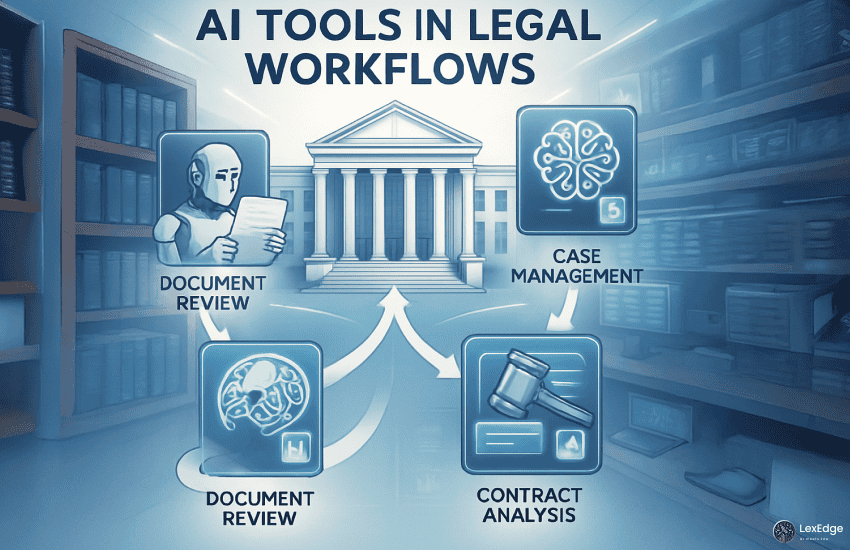
The future of legal project management is being shaped by several key advancements. One major trend is the integration with legal research and drafting tools, which helps create more seamless workflows and improves efficiency. Another important development is the use of predictive analytics at scale, enabling better foresight into project timelines, potential risks, and outcomes. Additionally, autonomous intake and triage systems are enhancing request management by leveraging AI to prioritize and streamline incoming tasks. Finally, there is a growing emphasis on enhanced compliance and risk management, with organizations focusing on proactive measures to meet regulatory requirements and minimize legal risks.
Conclusion Strategic Imperatives for Legal Leaders

The evolution of legal project management through AI presents important strategic choices for legal leaders—they can either embrace tools that enhance efficiency and visibility or risk being outpaced by competitors. Key takeaways include assessing pain points, evaluating solutions, and investing in strong data governance to ensure reliable outcomes. Organizations must also focus on planning for change management and adopt an ecosystem approach over point solutions for long-term success. Ultimately, the future belongs to organizations that leverage AI to empower legal professionals and focus on delivering greater client value.
Conclusion
The adoption of legal project management AI is no longer optional but a strategic necessity for modern legal teams. By leveraging AI in legal operations, organizations can improve efficiency, enhance visibility, and ensure compliance across complex workflows. However, success depends on careful implementation, strong data governance, and effective change management. Legal leaders who embrace AI-powered workflow automation today will be better positioned to drive innovation and deliver greater value in the evolving legal landscape.